Immediate Response for Electrical Emergencies in Botany
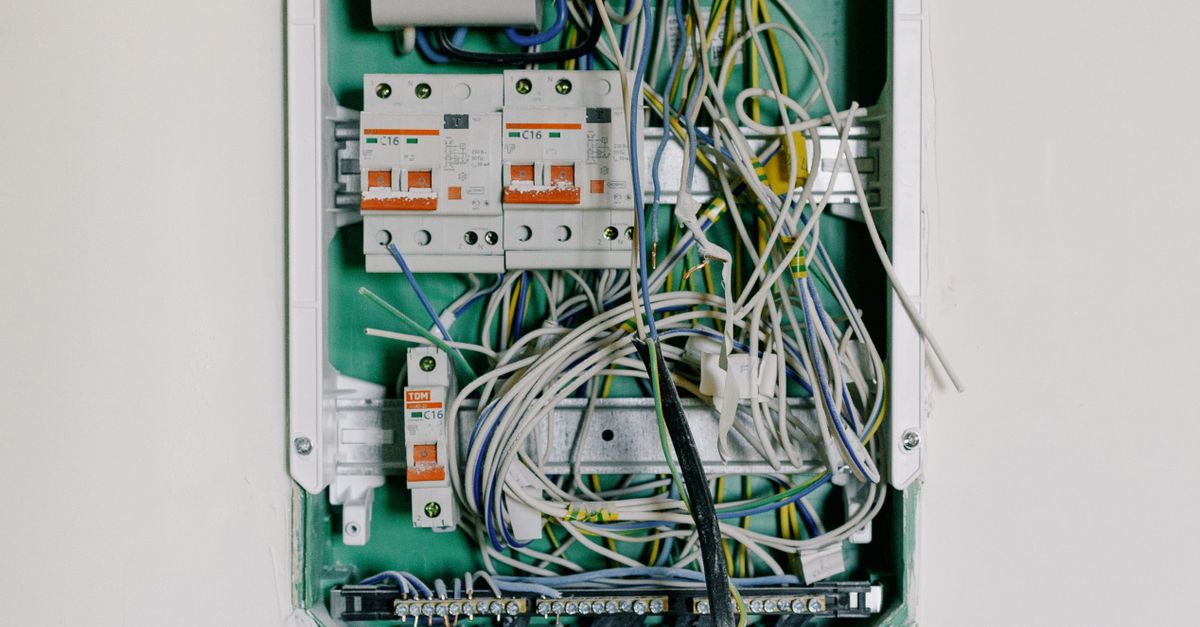
Table Of Contents
Preventive Measures Against Electrical Issues
Taking proactive steps can significantly reduce the risk of electrical problems in residential settings. Regular inspections of wiring and electrical devices help identify any signs of wear or damage. Homeowners should replace outdated electrical panels and ensure that all outlets are up to code. Using surge protectors for sensitive electronics can also prevent damage from unexpected spikes in voltage.
Keeping electrical areas dry and free of clutter is essential for maintaining safety. Ensuring that appliances are used according to manufacturer instructions can prevent misuse and potential hazards. Additionally, installing ground fault circuit interrupters (GFCIs) in areas prone to moisture, such as bathrooms and kitchens, offers an extra layer of protection. Educating family members on electrical safety and the importance of reporting any issues promptly fosters a culture of awareness in the home.
Regular Maintenance and Inspections
Performing regular maintenance and inspections of electrical systems is crucial for ensuring safety and functionality. Homeowners should conduct routine checks of outlets, wiring, and appliances to spot any signs of wear or damage. This proactive approach helps to identify potential hazards before they escalate into more serious problems, and can also enhance the efficiency of electrical systems. Engaging a qualified electrician for annual inspections adds an extra layer of security, as they can provide a thorough assessment and recommend necessary repairs or upgrades.
In addition to visual inspections, homeowners should stay informed about the age and condition of their electrical components. Regularly updating outdated wiring and circuit breakers reduces the risk of electrical fires and system failures. Keeping a detailed record of maintenance activities can help track any recurring issues and provide valuable information for professionals during inspections. Ultimately, investing time and resources into regular maintenance promotes a safer living environment and contributes to the longevity of electrical systems.
Homeowner Responsibilities During Electrical Emergencies
During an electrical emergency, homeowners must first ensure their safety and that of their family members. If the situation involves smoke, sparks, or any sign of fire, leaving the premises should take priority. Calling emergency services becomes essential. It is also crucial to identify the source of the problem, such as overheated appliances or exposed wires, without attempting to fix the issue personally. Keeping a current list of emergency contact numbers, including the local fire department and an electrician, can expedite help.
Being aware of circuit breakers and fuse boxes provides homeowners with additional knowledge to manage their electrical system effectively. In certain situations, turning off the main power supply can help prevent further hazards. Homeowners should familiarize themselves with their electrical panel and labels, which indicate the function of each breaker. This familiarity helps in quickly addressing issues and notifying professionals when necessary. Proper documentation of any incidents can also assist in future preventive measures and repairs.
Understanding Your Role and Limitations
During an electrical emergency, it's essential to understand what actions are safe and appropriate for you as a homeowner. Familiarity with your household's electrical system can empower you to identify the difference between minor inconveniences and serious dangers. Knowing the location of your circuit breaker can help you shut off electricity quickly in hazardous situations. However, expertise in diagnosing complex issues should be left to trained professionals to avoid exacerbating the situation.
Recognizing your limitations is equally important. Attempting to fix major electrical problems without proper knowledge can lead to accidents or further damage. If you encounter sparks, unusual noises, or strong odors, these are indicators to evacuate the area and call for professional assistance immediately. Your safety remains the priority during these incidents, so understanding when to step back is crucial for preventing injury or property damage.
Emergency Preparedness Planning
Being prepared for electrical emergencies can significantly reduce panic and potential damage. Homeowners should develop a comprehensive plan that outlines specific actions to take during an emergency. This plan must include details such as identifying key contact numbers for local emergency services and utility companies. A clear communication strategy should also be established, allowing family members to stay informed about the situation. Having a designated meeting spot outside the home can aid in ensuring everyone's safety.
In addition to having emergency contacts, creating a checklist of essential items can enhance preparedness. This list could include flashlights, batteries, first aid supplies, and any necessary medical equipment. It is important to ensure that everyone in the household is familiar with the emergency plan. Regular practice can help reinforce the actions to take during an electrical emergency. Investing time in planning can lead to a more effective and coordinated response when faced with a crisis.
Creating an Electrical Emergency Plan
An effective electrical emergency plan should begin with identifying potential hazards specific to your home or property. Conduct an assessment of electrical systems, appliances, and any areas prone to electrical issues, such as basements and attics. Ensure that all family members understand these risks. Designate a safe location where everyone can gather during an emergency. This location should be away from the immediate vicinity of electrical hazards, keeping everyone out of harm's way.
Next, establish clear communication protocols in case of an electrical emergency. Each family member should know how to report an incident, whether by calling emergency services or reaching out to a qualified electrician. Encourage regular drills to practice the emergency response plan. Familiarity with the plan can be crucial during a crisis, as it helps everyone respond efficiently and calmly.
FAQS
What should I do first during an electrical emergency?
In an electrical emergency, your first step should be to ensure your safety. If you see sparks, smell smoke, or experience any electrical shock, immediately turn off the power at the breaker box if it is safe to do so, and evacuate the area. Call emergency services if necessary.
How can I prevent electrical emergencies in my home?
To prevent electrical emergencies, conduct regular maintenance and inspections of your electrical systems, avoid overloading circuits, use surge protectors, and ensure that all electrical work is completed by a licensed professional.
What are my responsibilities as a homeowner during an electrical emergency?
As a homeowner, your responsibilities include ensuring that you know how to shut off the power, having an emergency plan in place, reporting any electrical issues immediately, and ensuring that your home’s electrical system is up to code.
What should be included in my electrical emergency plan?
Your electrical emergency plan should include emergency contact numbers, a list of important electrical shut-off locations in your home, a communication plan for family members, and details about how to safely evacuate if necessary.
When should I call a professional electrician during an electrical emergency?
You should call a professional electrician if you encounter major issues such as persistent power outages, electrical fires, or any situation that you cannot handle safely. It’s also advisable to seek professional help if you are unsure about the safety of your electrical system.
Related Links
How to Choose the Right Emergency Electrician in BotanyHow to Prepare Your Home for Electrical Emergencies